
Asphalt Overlay: what to know
An asphalt overlay adds a new surface course over an existing pavement after appropriate assessment.
For asphalt overlay, the first step is to understand the site rather than assume that a visible surface problem has only a surface-level cause. Existing materials, traffic use, access, slopes and water movement shape the options worth considering.
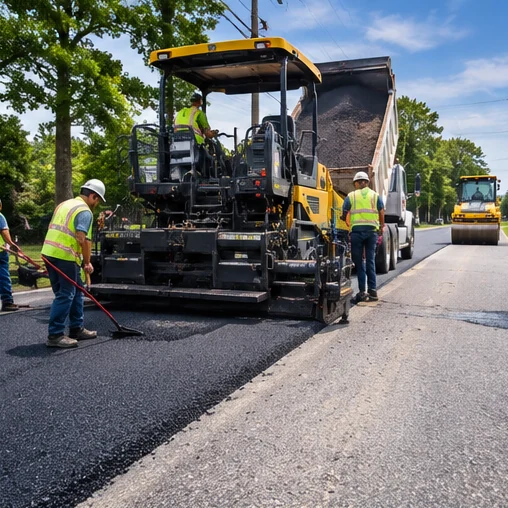
Key considerations
- Assess surface preparation and milling needs
- Avoid trapping drainage around edges
- Consider how thickness affects finished elevations
Planning the next step
Before discussing asphalt overlay, record the intended use of the space, approximate dimensions, existing surface conditions, and whether water collects or moves across the work area. Photographs, measurements and a list of practical constraints can make an early conversation more productive.
The final design and construction method should be established after a site assessment by a qualified local contractor. Confirm the proposed materials, project boundaries, drainage approach and any access limitations before scheduling work.