
Drainage & Surface Water: what to know
Water management is essential to both paved surfaces and surrounding landscapes.
For drainage & surface water, the first step is to understand the site rather than assume that a visible surface problem has only a surface-level cause. Existing materials, traffic use, access, slopes and water movement shape the options worth considering.
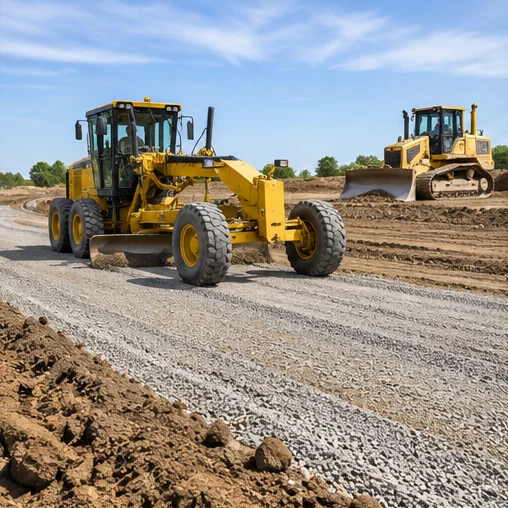
Key considerations
- Identify pooling and erosion patterns
- Review adjacent structures and runoff paths
- Use appropriate grading and collection details
Planning the next step
Before discussing drainage & surface water, record the intended use of the space, approximate dimensions, existing surface conditions, and whether water collects or moves across the work area. Photographs, measurements and a list of practical constraints can make an early conversation more productive.
The final design and construction method should be established after a site assessment by a qualified local contractor. Confirm the proposed materials, project boundaries, drainage approach and any access limitations before scheduling work.